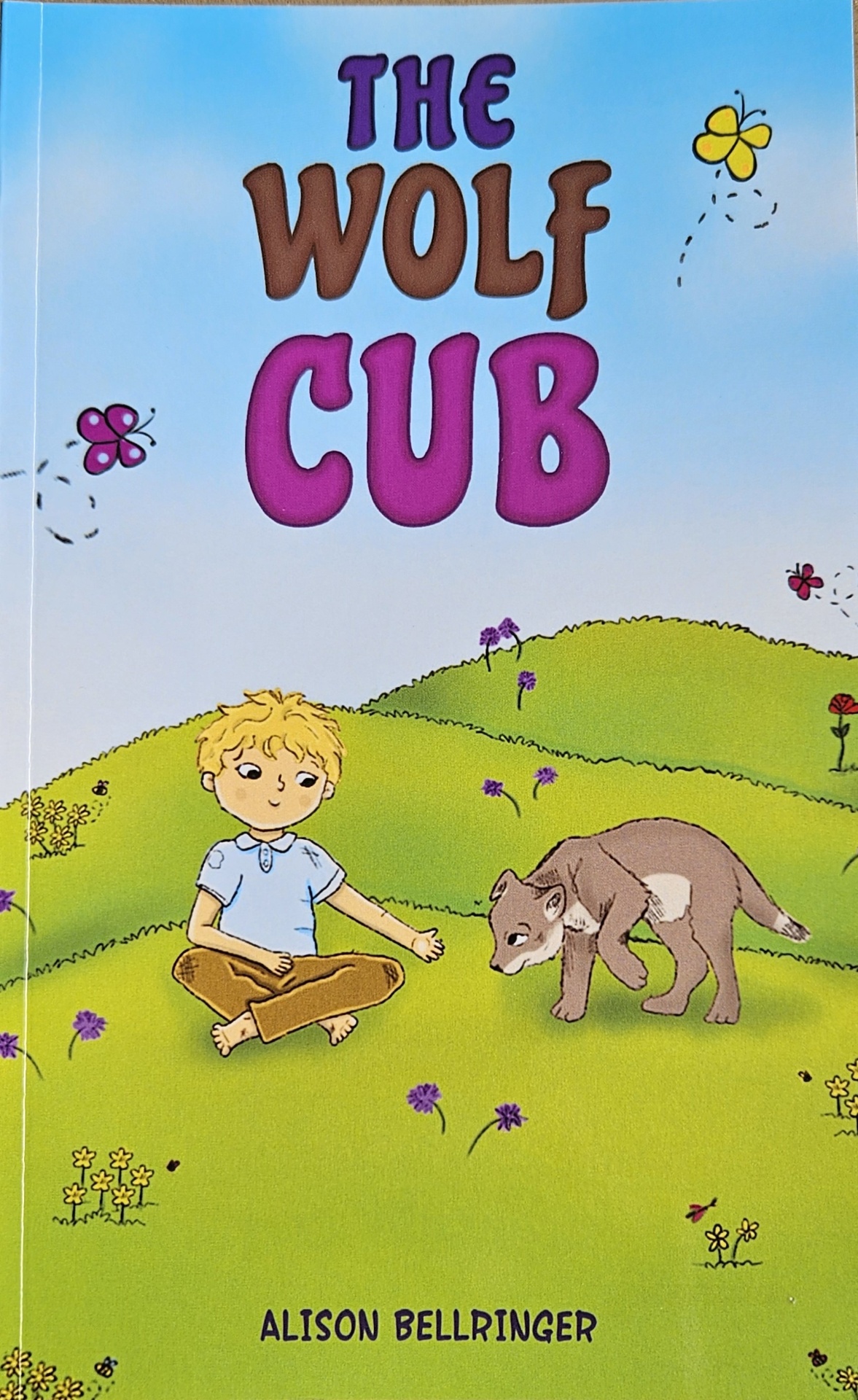
The Wolf Cub
"A heartwarming tale of kindness, compassion, and the unbreakable bond between a boy and his wolf — reminding us never to judge by appearances."
About the Book
Lewis lives with his mother in a small cottage which backs onto a vast forest. Too young and poor to join any classes at the village school, the cheerful little boy instead makes friends with all the local animals, so he isn't too lonely while his mother is busy scrambling about to put food on the table. But Lewis instinctively longs for a special companion, and looking after a timid wolf cub might be just the answer he's looking for. But as the wild animal grows stronger, some of the villagers are less than pleased and Lewis begins to fear the loyal creature will meet the same fatal death as its wounded mother. Modeling kindness and compassion on every page, this book seeks to teach readers about the respectful treatment of those around them while also helping them learn not to judge others merely by appearances.
Discussion Themes & Message
This is a great resource for parents, teachers, and educators to read alongside younger audiences — the book is both educational and heartfelt. Key themes include caring for others and not judging by appearances, all while challenging reader vocabulary in an engaging and age-appropriate manner. Most suited for those who enjoy emotional or character-driven stories rather than being dependent on a lot of fast-paced action. Reviewers have likened it to Charlotte's Web and The Fox and the Hound.
🤝 Kindness & Compassion
Modeling respectful treatment of all living creatures, no matter how they appear.
🐺 Challenging Prejudice
Learning not to judge by appearances — even wolves deserve a fair chance.
🌿 Nature & Friendship
The healing power of the natural world and the bonds we form with animals.
📚 Educational Value
Expanding vocabulary and encouraging deeper classroom discussion.
Awards & Recognition
- SilverMom's Choice Awards — Silver Recipient
- 2nd PlaceRoyal Dragonfly Book Awards — 2nd Place (Education & Coffee Table/Gift Books)
- Honorable MentionRoyal Dragonfly Book Awards — Best Cover Design, Children's Chapter Books, Middle-Grade Fiction, Animals/Pets
- BronzeMoonbeam Book Awards — Bronze Medal (EBook Pre-Teen Fiction)
About the Author
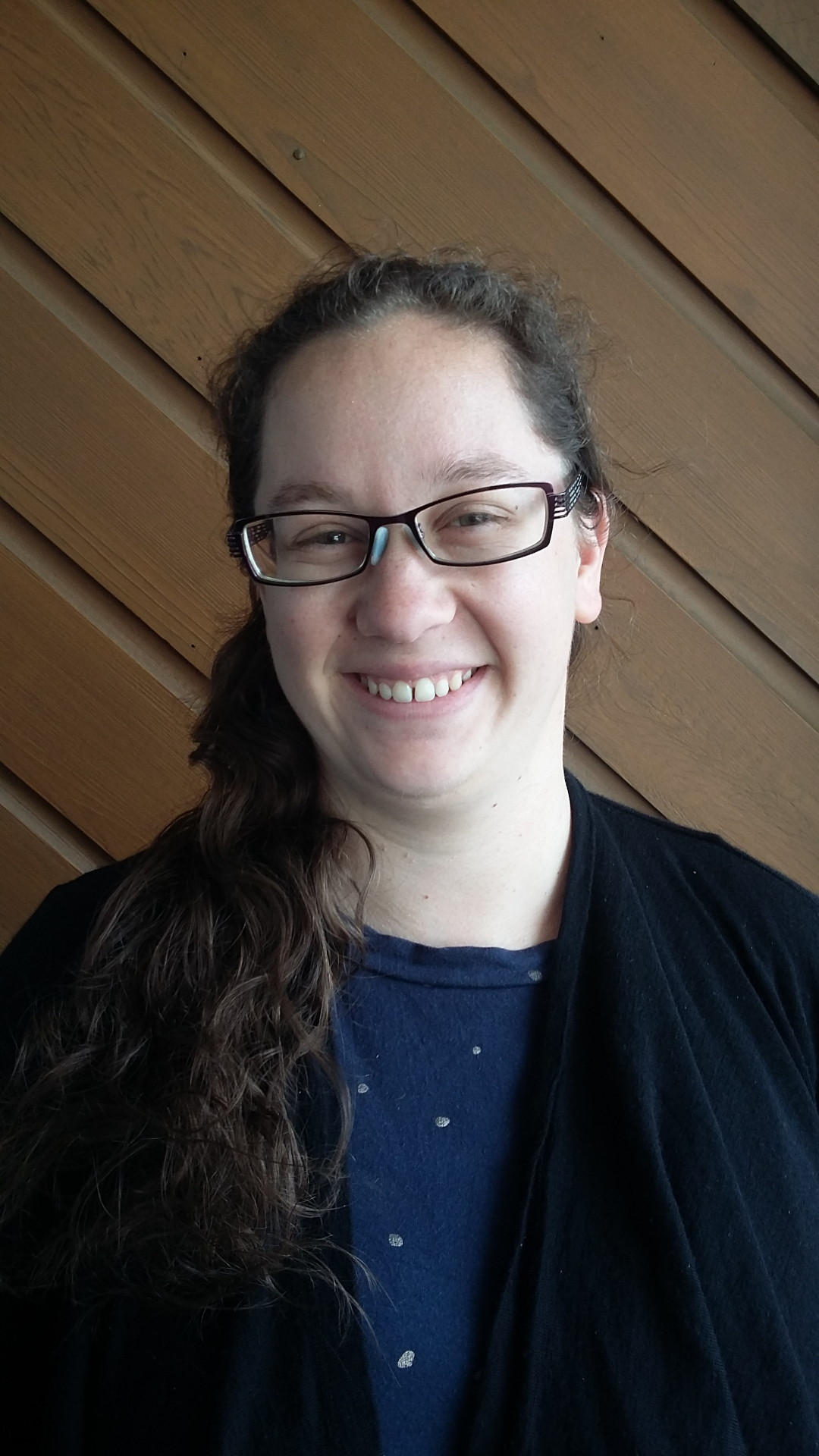
Alison has been writing short stories to share with friends and family for many years and always enjoys exploring her creativity when putting pen to paper, so she is excited to have the opportunity to share her love of writing with others. Alison grew up around dogs, first Mila and then Smoky, who each went on many wonderful adventures and lived to a good old age, and she especially loves including "man's best friend" or some other favorite animal throughout most of her stories.
Alison has been playing trombone since about 2010, euphonium from mid-2019, and always likes getting together with a few friends to "make a joyful noise" sharing music. Alison also enjoys a bit of freelance photography when she gets the chance, especially if it involves taking pictures of sunsets.
Both The Bronson Escapades and The Wolf Cub are Silver Recipients of the Mom's Choice Awards® honorary seal of excellence, with the latter being a 2nd place winner in the 2024 Royal Dragonfly Book Awards in both the "Education" and "Coffee Table & Gift Books" categories. More recently, The Wolf Cub received a Bronze Medal in the "EBook Pre-Teen Fiction" category in the 2025 Moonbeam Book Awards. In 2026, The Horses of Saddlers Ranch: Cloud was named a Distinguished Favorite in the Independent Press Awards in the "Middle-Grade" category.
The Interview
A written Q&A with Alison Bellringer on the inspiration, craft, and heart behind The Wolf Cub.
What inspired you to write The Wolf Cub?
I always enjoy writing about different animals and exploring the various bonds that can form between humans and their pets, or other wildlife, especially the unique roles children often play in this fascinating dynamic. The subject of not judging others merely by appearances is a key topic contained within the pages of this book, which is also one of the things that led me to choosing a wolf to be Lewis' principal animal companion – a creature often defined as "bad" by those with preconceived views, rather than people generally allowing the actions of any individual animal to speak for itself. In crafting The Wolf Cub, I had the prime opportunity and ability to make this distinction by introducing readers to the idea that not all wolves actually deserve this ill-fitting label and in time some of them may indeed become the most trustworthy and lovable companions that a lonely little boy could ever hope for.
Can you tell readers a little about Lewis and the world he inhabits?
Written for a middle-grade or pre-teen age group, Lewis is a curious and inquisitive little boy who longs to learn everything he can about everything around him. He always enjoys observing the villagers as they go about their daily work, but with a comparatively shy nature, Lewis prefers the company of animals, and much of his limited knowledge is absorbed simply by watching the routine habits of these creatures. Kind at heart, there is no question that a lonely wolf cub will receive the best care under his guidance, although not everyone feels the same way about this arrangement and Lewis needs to navigate all this new information while also challenging the preconceptions of others who do not see Blue Merle as simply as he does.
Nature and atmosphere play a strong role in your storytelling. Was this intentional from the beginning?
Quite likely. With my apparent love for animals and nature, it is only logical that this would greatly influence the way I write, and I have always preferred the slice-of-life approach with a strong foundation in realism rather than completely made-up worlds — also, there is no shortage of inspiration to turn the everyday, ordinary moments into something real and relatable for readers if nature is one of the key starting points.
What themes or messages did you hope young readers and families would take away from the book?
A greater depth of understanding and respect for those around them, including the reinforcement of moral values such as showing kindness, empathy, and caring for the environment – even the smallest decisions or acts of compassion for someone in need can end up making a huge difference and sometimes that's all it takes for readers to help change the world. The slice-of-life approach based on realism rather than fantasy is meant to encourage deeper discussion both in and out of the classroom, and I know several school-teachers who have really enjoyed how carefully these subtle lessons have been intricately woven throughout the book, inciting a more meaningful experience with their reading.
What was the most rewarding part of writing this story?
First off, my favorite part is seeing how everything comes together in the final stages – right from the original concept to the polished manuscript/printed book at the end – and being able to appreciate all the time and effort that was put into crafting the whole story. And one of the most rewarding aspects is being able to connect with the readers who truly resonate with the themes and underlying messages that I am trying to convey.
Did any real-life experiences or memories influence the narrative?
None of these characters or situations were truly inspired by any personal experience or first-hand knowledge. Rather, they are the unconscious result of having compiled an array of second-hand information, through reading or general observation, over a significant period of time.
How would you describe your writing process?
This is always a difficult question for me to answer, as I don't really have any set process I always adhere to. Ideas quite literary just pop into my head from seemingly nowhere and then spill out onto the page! The art of creative writing has been a very natural, expressive outlet for me for a long time, starting from quite a young age, and I usually prefer to go with the flow and let the story come together by itself, rather than following any predetermined plan or prior thought. I have been doing this for over twenty years now, and almost every one of my acquaintances would probably be able to tell you that I am an extremely passionate children's author who values genuine reader engagement and friend/family support far more than widespread accolades.
Are there any authors or storytellers who have inspired your work?
Not specifically. I was an avid reader from an early age and was homeschooled using a very literacy-based program, so I was exposed to a huge range of different authors and writing styles during that time. However, other readers and reviewers have likened my work to a number of different authors who have written similar works, including Enid Blyton, Stacy Gregg, Lauren Brooke, and Pippa Funnell.
What do you hope readers feel after finishing The Wolf Cub?
The Wolf Cub is meant to feel nostalgic and heartwarming for more mature readers, while younger readers are more likely to enjoy the underlying sense of childhood exploration and wonder as they interact with the world around them. In both cases, I hope whoever reads this book will leave feeling inspired and eager to approach life with a refreshed outlook on what really matters, and that the true beauty of nature goes far beyond what may only be apparent from the surface.
Are you currently working on any future projects you can share with us?
Yes, definitely! I am in the middle of a series aptly titled The Horses of Saddlers Ranch. It is my take on the classic "horse-loving/pony-mad teenager" concept, following the lives of three friends navigating various challenges during the more widely-known, confusing coming-of-age years. The series is grounded in realism rather than fantasy, and centers around themes such as growing responsibility, teamwork, caring for animals, second chances, and tackling difficult or unexpected situations with sensibility and deeper understanding. Book Five is set for release at the end of May, with the first four instalments already available.